India is home to dozens of UNESCO World Heritage Sites that reflect its deep-rooted history, cultural diversity, and architectural brilliance. Western India, comprising states like Maharashtra and Gujarat, boasts some of the most iconic and awe-inspiring heritage locations. These sites are not only architectural masterpieces but also stand as testaments to the ancient civilizations that once flourished here.
In this article, we explore five must-visit UNESCO World Heritage Sites in Western India that offer a perfect blend of art, history, and spirituality.
1. Ajanta Caves, Maharashtra

Nestled deep within a forested valley along the Waghora River, the Ajanta Caves are a magnificent collection of 30 Buddhist rock-cut monuments dating from the 2nd century BCE to about 480 CE. Discovered by a British officer in 1819, the caves house vibrant murals and sculptures that narrate the life of Buddha and various Jataka tales.
These caves represent two distinct phases of Buddhist architecture: the earlier Hinayana phase, which is simpler and more austere, and the later Mahayana phase, filled with ornate carvings and elaborate paintings. The use of natural pigments and storytelling through art makes Ajanta a spiritual and artistic marvel worth experiencing.
2. Ellora Caves, Maharashtra
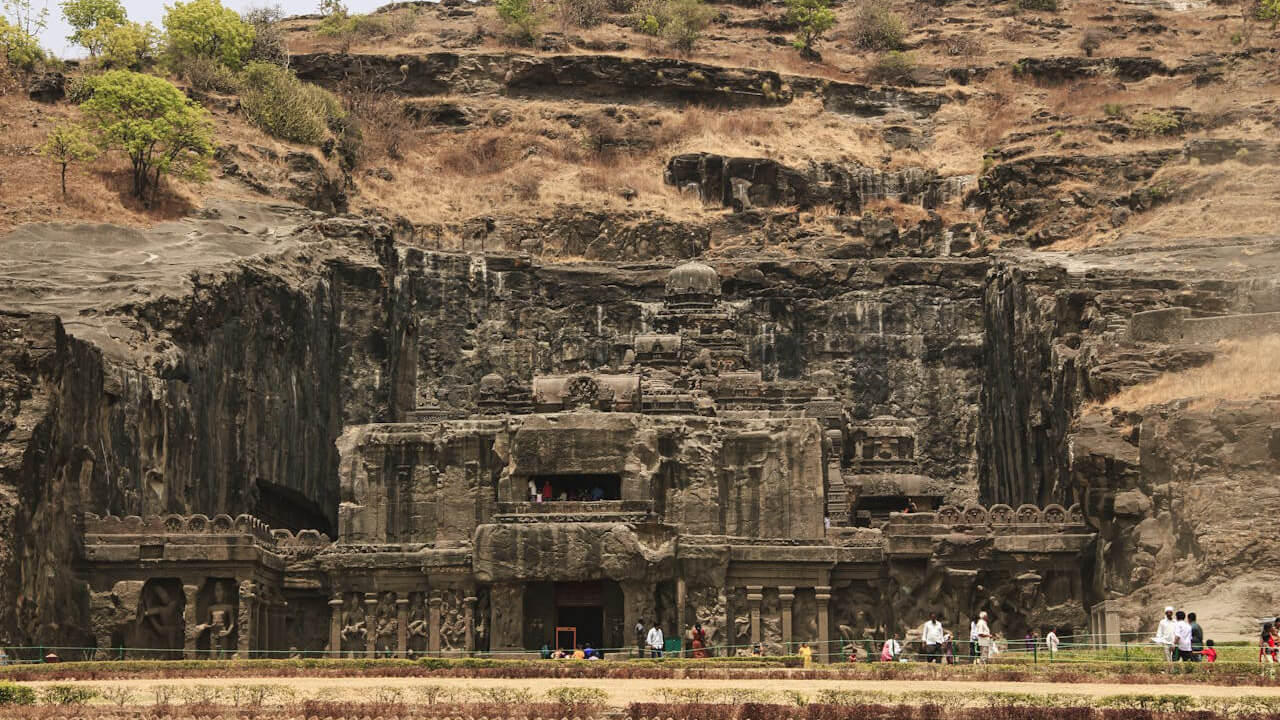
Located about 100 km from Ajanta, the Ellora Caves are another UNESCO gem showcasing India’s religious harmony. Carved between the 6th and 10th centuries CE, Ellora contains 34 caves spread across a 2 km stretch. What sets it apart is the co-existence of three major religions: Buddhism (Caves 1–12), Hinduism (Caves 13–29), and Jainism (Caves 30–34).
The most iconic structure here is the Kailasa Temple, dedicated to Lord Shiva, which was carved out of a single rock and mimics a freestanding, multi-storeyed temple complex. It is considered one of the most remarkable cave temples in the world for both its scale and the intricacy of its design.
3. Chhatrapati Shivaji Maharaj Terminus (CSMT), Mumbai
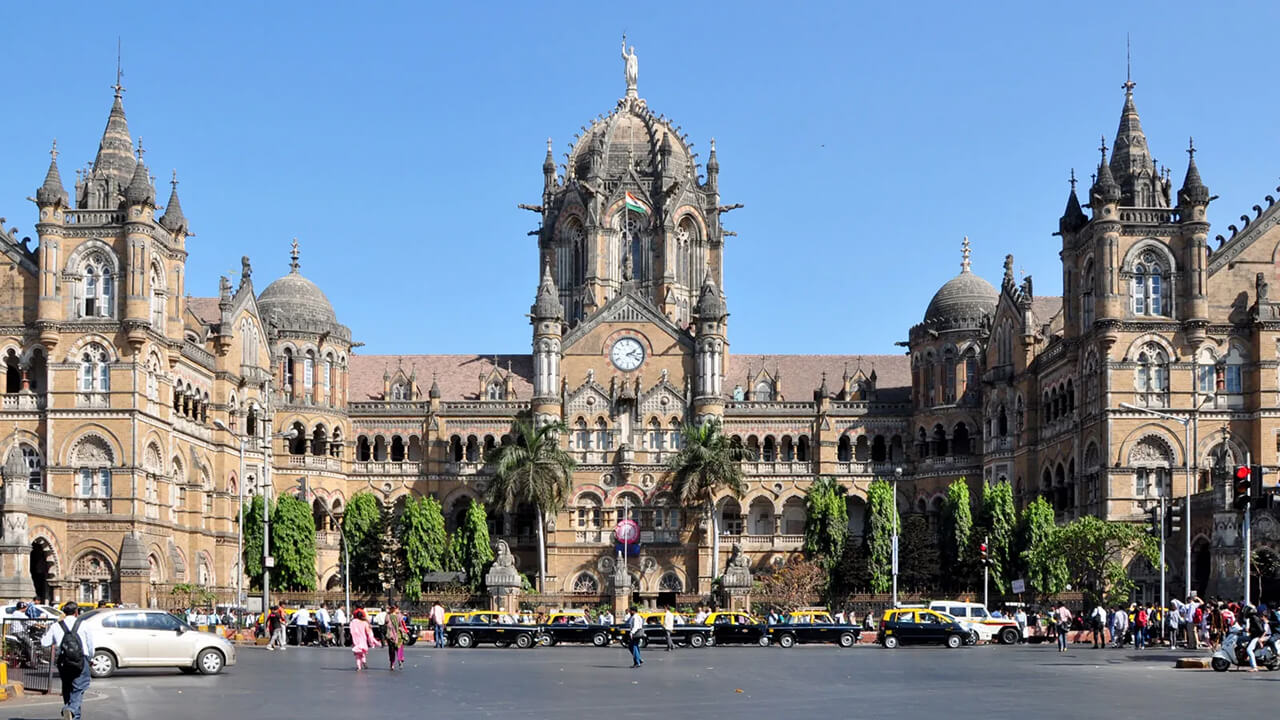
A standing tribute to colonial-era architecture in India, Chhatrapati Shivaji Maharaj Terminus (formerly Victoria Terminus) is a functioning railway station and a heritage building rolled into one. Completed in 1887, it was designed by British architect F.W. Stevens in a style that blends Victorian Gothic Revival with Indian architectural elements.
The building features a majestic dome, pointed arches, turrets, stained glass windows, and elaborate carvings of flora and fauna. CSMT is not only Mumbai’s busiest railway station but also a cultural symbol of the city’s cosmopolitan past and present.
4. Champaner-Pavagadh Archaeological Park, Gujarat
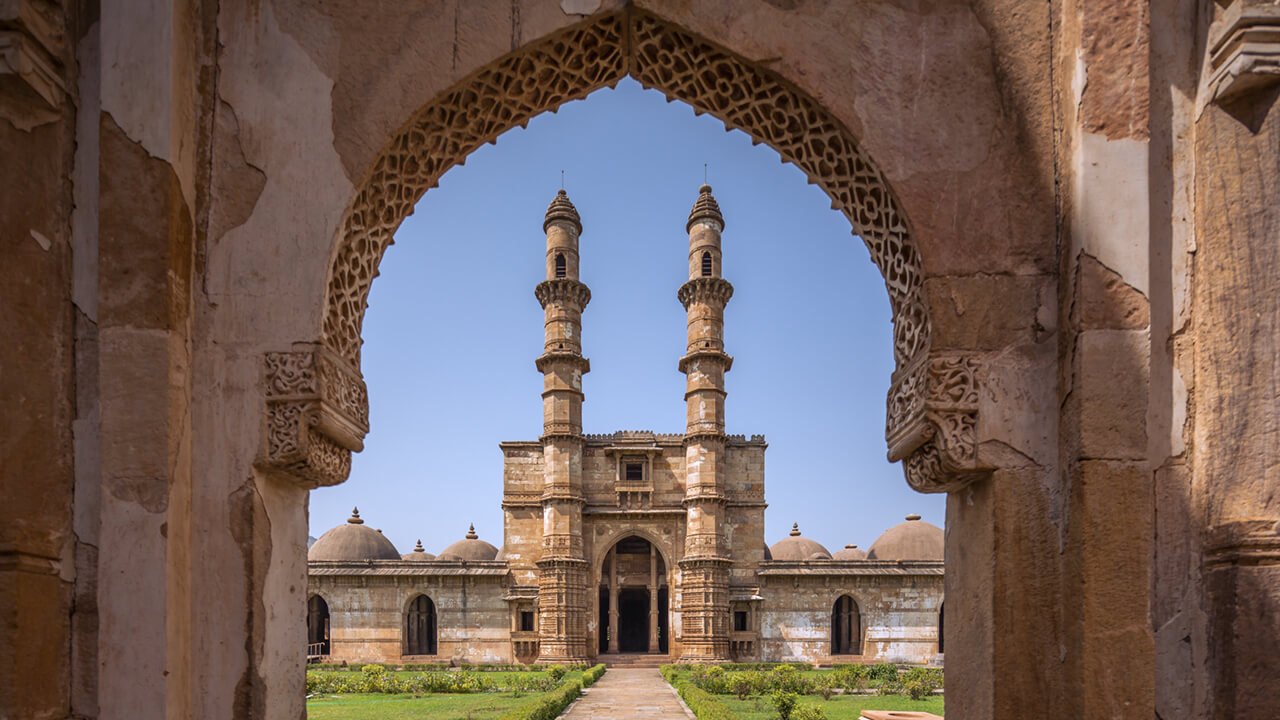
Often overlooked by mainstream tourists, Champaner-Pavagadh is one of the rare sites that combine archaeological, historical, and religious significance in one. Located near Vadodara, this park encompasses a complete medieval city built by Sultan Mahmud Begada in the 15th century.
The site includes palaces, mosques, temples, tombs, fortifications, and water structures. Of particular note is the Jami Masjid, an architectural marvel that combines Islamic and Hindu motifs. Rising above it all is the Kalika Mata Temple on Pavagadh Hill, which attracts thousands of devotees every year and underscores the site’s spiritual resonance.
5. Rani ki Vav, Gujarat
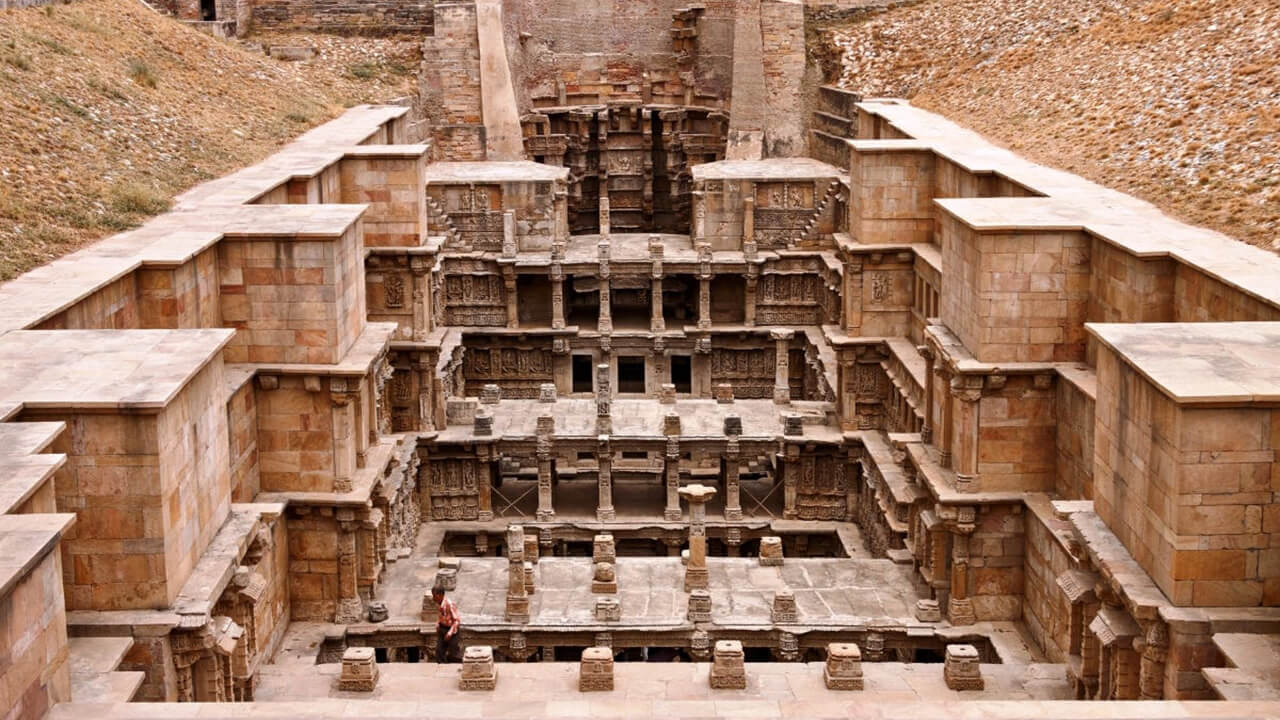
Declared a UNESCO World Heritage Site in 2014, Rani ki Vav (Queen’s Stepwell) is an extraordinary example of an inverted temple built underground. Situated in the town of Patan, it was constructed in the 11th century by Queen Udayamati in memory of her husband King Bhimdev I of the Solanki dynasty.
The stepwell stretches 64 meters long, 20 meters wide, and 27 meters deep, with over 1,500 exquisitely carved sculptures depicting Hindu deities, sages, and scenes from mythology. Unlike other stepwells, Rani ki Vav is not just utilitarian but also a sacred and symbolic space reflecting water’s importance in ritual and daily life.
Conclusion
These five UNESCO World Heritage Sites in Western India offer much more than just visual splendor—they offer a journey through centuries of spiritual depth, artistic innovation, and historical transformation. Whether you’re a history enthusiast, a culture explorer, or simply someone looking for a meaningful travel experience, these sites are bound to leave a lasting impression.
Plan your heritage trail today and witness the timeless grandeur of Western India!
For more travel inspiration, cultural stories, and historical deep dives, keep visiting BarefootMonk.com.